Roaster Bird Embroidery Design Review
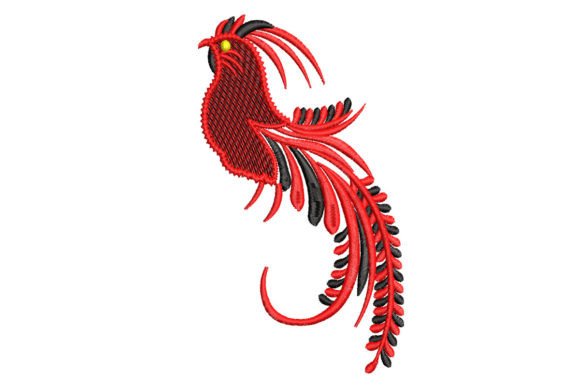
As an experienced embroidery designer, I recently had the opportunity to review the Roaster Bird machine embroidery design. This creative embroidery design promises a beautiful satin stitch and comes with multiple embroidery file formats. With its bold yet charming appeal, Roaster Bird stands out as a versatile choice for a variety of craft fair products. Let's explore how it performs across different handmade items and what makes it a valuable addition to any booth display.
First Impressions: A Bold and Charming Design
The moment I saw Roaster Bird, I was struck by its playful yet elegant aesthetic. It strikes a perfect balance between farmhouse charm and modern appeal. The design feels bold enough to catch attention but not so overwhelming that it loses its charm. It’s the kind of embroidery that makes you smile and think, “This would look great on a tote bag.”
Performance on Various Craft Fair Products
Tote bags: Roaster Bird shines on tote bags, especially those with neutral or pastel backgrounds. The design adds a pop of character without overpowering the fabric. It works well as a focal point, making your tote bag stand out in a sea of similar items.
Apron embroidery: When stitched onto aprons, Roaster Bird brings a whimsical touch that appeals to both home cooks and crafters. It pairs beautifully with rustic or farmhouse-themed aprons and can be used as a decorative accent or a central motif.
Tea towel embroidery: On tea towels, this design feels cozy and inviting. Its soft lines and gentle curves complement the texture of cotton or linen fabrics, making it a great fit for kitchen-themed handmade products.
Embroidered patches: As an embroidered patch, Roaster Bird is a hit. It’s small enough to be a cute detail on jackets, backpacks, or hats, yet large enough to be recognizable at a glance.
Caps and fabric pouches: The design adapts well to curved surfaces like caps and pouches, though careful attention should be paid to stabilizer use and hoop size to maintain clarity.
Pillow covers and market bags: Roaster Bird adds a unique flair to pillow covers and reusable market bags. It’s a great way to elevate simple items into statement pieces that customers will want to take home.
Practical Selling and Production Points
One of the key selling points of Roaster Bird is its readability. At a glance, it’s easy to understand and instantly recognizable. Whether used as a small accent or a large focal design, it maintains its visual impact without becoming too busy.
For online listings, the design photographs exceptionally well. Its clean lines and vibrant colors translate beautifully into printable mockups, which are essential for Etsy sellers and small shop product displays. It also has the potential to be repeatable for batch production, making it a strong candidate for commercial embroidery applications.
Careful-Use Notes for Optimal Results
While Roaster Bird is a high-quality embroidery design, there are a few considerations to keep in mind for optimal results:
- Dense stitch areas: Ensure that your machine can handle the stitch density without overheating or causing thread breakage.
- Tiny details: If using smaller versions of the design, check that all elements remain clear and legible.
- Thick fabric or textured towels: Use a good stabilizer to prevent shifting and ensure even stitching.
- Dark fabric: Test thread contrast on dark fabrics to make sure the design remains visible.
- Curved cap surfaces: Be mindful of hoop size and fabric tension when applying the design to curved surfaces.
Visual Appeal and Booth Display Strength
The visual appeal of Roaster Bird is undeniable. It enhances the overall quality of any handmade product it adorns, adding a sense of handmade quality and brand consistency. In a craft fair setting, it helps draw customer attention and encourages engagement with your booth display.
When paired with other complementary designs, Roaster Bird can create a cohesive theme that resonates with buyers. It’s particularly effective when displayed alongside other nature-inspired or animal-themed embroidery designs.
Embroidery Designer Notes for Success
To ensure the best results when using Roaster Bird, follow these practical steps:
- Test the design on scrap fabric: Always do a test run before committing to a full batch.
- Check thread contrast: Choose thread colors that complement the fabric and enhance the design.
- Review spacing: Make sure there’s enough space around the design for proper hoop placement.
- Confirm hoop size: Ensure your hoop size matches the design requirements to avoid distortion.
- Inspect stitch density: Adjust settings if needed to maintain even stitching.
- Use the right stabilizer: Select a stabilizer that suits your fabric type for the best results.
- Create at least one real mockup: This gives you a tangible preview of how the finished product will look.
- Compare fabric colors: Different fabric shades can affect how the design appears.
- Confirm commercial licensing: Before selling finished products, verify that you have the appropriate rights to use the design commercially.
In conclusion, Roaster Bird is a standout embroidery design that offers versatility, charm, and practicality for a wide range of craft fair products. Whether you're an Etsy seller, handmade shop owner, or creative entrepreneur, this design has the potential to elevate your offerings and attract more buyers. Just remember to follow best practices for testing, production, and presentation to ensure the best possible outcome for your finished product.