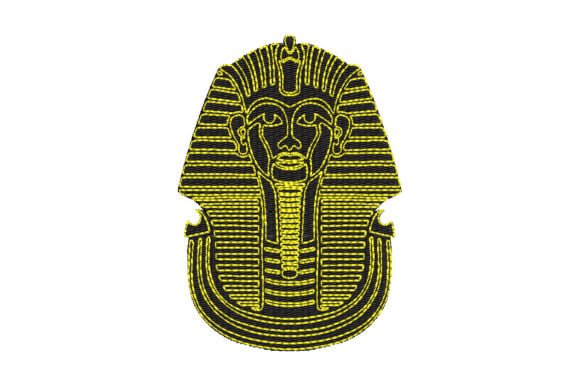
Tutan Khamun Embroidery Design Review
First Impressions of Tutan Khamun
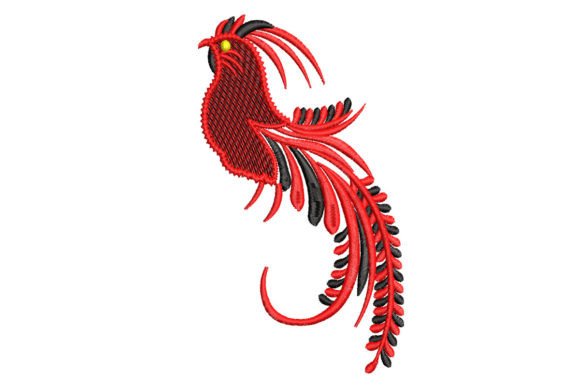
When I first opened the Tutan Khamun embroidery design file, I was immediately drawn to its clean lines and intricate details. The design carries a sense of elegance and timeless appeal, which makes it feel like something that could easily transition from a handmade gift to a boutique product. It’s not overly busy, but it has enough texture and structure to stand out on fabric without overwhelming it.
The Tatami stitch adds a unique visual rhythm to the piece. It gives the impression of being both modern and classic, which is a great balance for any embroidery project that needs to appeal to a broad audience. The layout feels intentional, with a central focal point that draws the eye in and smaller elements that add depth without distraction.
Real-Life Use: A Custom Embroidered Tote Bag
I imagined using Tutan Khamun on a custom embroidered tote bag for a small shop. The design would sit beautifully on a natural linen or canvas fabric, where the stitching can breathe and show off its detail. The size of the design is just right—large enough to make an impact but not so big that it feels overpowering on a tote.
On a larger surface like a tote bag, the Tatami stitch really shines. It adds a subtle texture that complements the fabric rather than competing with it. I can see this design working well on sweatshirts too, especially as a statement patch or as part of a layered custom apparel design.
For a personalized gift, like a baby item or holiday decoration, Tutan Khamun could be adapted with color changes or placed alongside other complementary designs. The versatility of the machine embroidery design allows for creative experimentation while maintaining a cohesive look.
Performance in Real Projects
Tutan Khamun stitches out smoothly, with clear definition between the different stitch types. The use of fill and running stitches creates a balanced density that works well on most fabrics. It doesn’t feel too heavy, which is important for items like aprons or pillow covers that need to remain soft and flexible.
The design is particularly strong on medium-weight cotton or blends, where the stitch density shows up nicely without puckering. However, when testing it on stretchy or thin fabrics, I noticed that some adjustments might be needed, such as using a better stabilizer or adjusting the hoop size to prevent distortion.
If you're planning to use it on dark-colored fabric, selecting high-contrast thread colors will help ensure the design remains visible and vibrant. This is especially important for commercial projects where clarity and professionalism are key.
Where to Use with Caution
While Tutan Khamun is versatile, there are a few scenarios where extra care should be taken. For example, if using it on very small hoop sizes, parts of the design may get cut off or appear incomplete. Testing on scrap fabric before finalizing a project is always a good idea.
Also, when placing the design on curved surfaces like caps or hats, the edges may require trimming or adjustment to fit the shape properly. Similarly, detailed corners or areas with tiny lettering might need additional support to maintain their integrity after stitching.
For products that will undergo frequent washing, it's essential to use a quality stabilizer and consider whether the design’s stitch density will hold up over time. These factors are crucial for handmade products intended for long-term use or resale.
Design Impact and Practical Notes
The visual appeal of Tutan Khamun is undeniable. It elevates the finished product, adding a touch of sophistication that customers often associate with quality and craftsmanship. Whether used for craft business items or Etsy seller listings, this design helps create a more professional and visually appealing presentation.
From a practical standpoint, I recommend checking the embroidery file for compatibility with your machine and verifying the available file formats. Also, test the design on a variety of fabric types to see how it performs under different conditions. This step is especially important for those who plan to use it across multiple small shop products or for both personal and commercial embroidery purposes.
Before selling any finished items or digital versions of the design, confirm the licensing terms to ensure compliance. This is a critical step for digital product sellers and anyone looking to expand their design assets portfolio.
In summary, Tutan Khamun is a solid choice for a wide range of embroidery projects. With thoughtful application and preparation, it can enhance everything from handmade gifts to boutique branding, making it a valuable addition to any designer’s toolkit.